
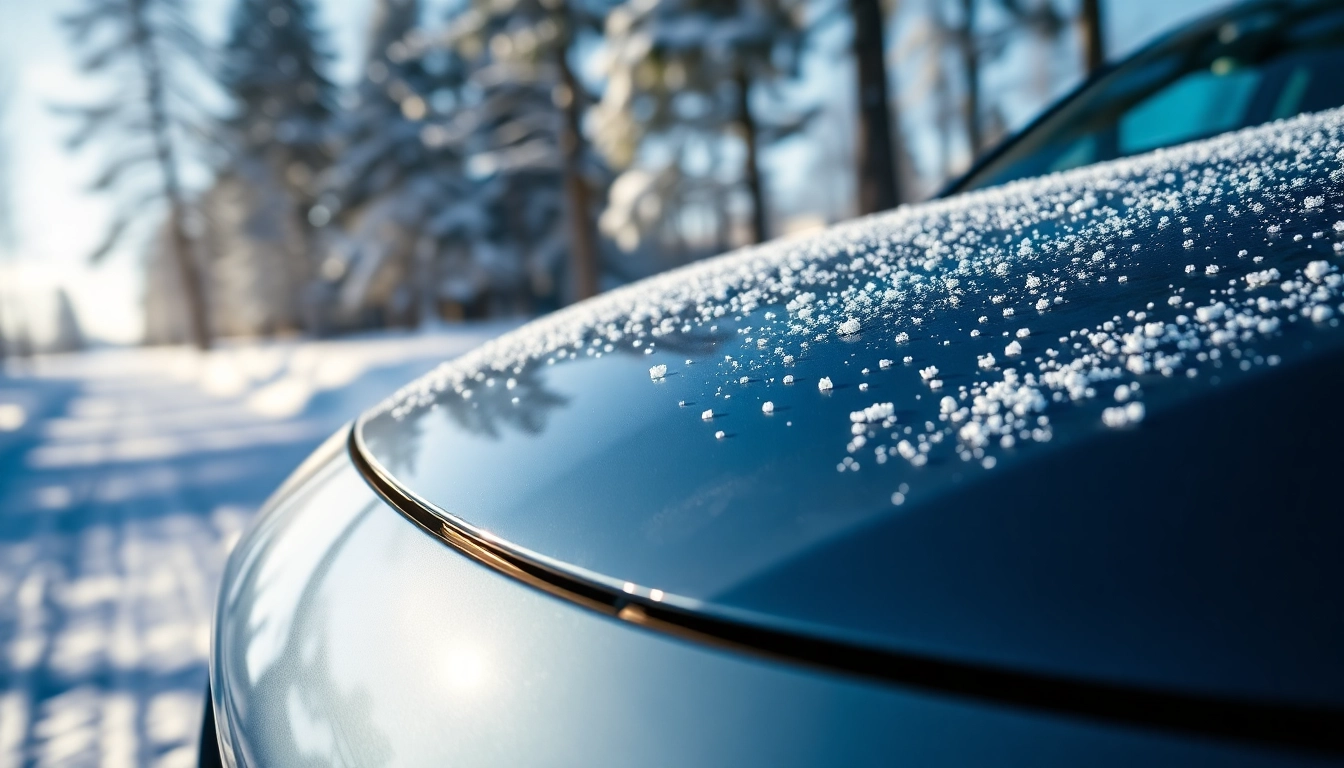
Understanding PPF Winter Road Salt Protection
The Basics of Paint Protection Film
Paint Protection Film (PPF) is a robust and transparent layer applied to a vehicle’s exterior, designed to protect the paint from various environmental hazards such as scratches, rock chips, and, notably, winter road salt damage. This self-healing polymer film offers a protective barrier that absorbs impacts and repairs itself under heat, which makes it particularly suited for harsh winter conditions. The need for PPF is heightened in areas experiencing severe winter weather, where road salt applications can lead to significant corrosion over time.
Importance of Winter Protection
Winter is a challenging season for vehicles, and one of the primary adversaries is road salt. This compound, often spread on roads during snow and ice storms, is essential for improving traction. However, it can severely corrode a vehicle’s undercarriage and body, leading to costly repairs. By investing in PPF winter road salt protection, car owners can significantly extend the life of their vehicle’s exterior, ensuring that it stays looking optimal while also retaining its resale value.
How PPF Works Against Road Salt
PPF works by creating a physical barrier against corrosive materials. When road salt comes into contact with the film, it does not directly affect the car’s paint; instead, any corrosive particles are repelled away. Moreover, the film’s self-healing properties can address minor scratches or abrasions caused during the winter months, ensuring that the deceptive clarity of the paint underneath remains intact.
Choosing the Right PPF for Winter
Material Types and Their Benefits
When selecting PPF for winter use, it’s crucial to consider the various types available. High-quality films typically consist of urethane, which is durable and effective in resisting scratches and impacts. Clear and matte finishes are available, allowing vehicle owners to ensure that they maintain the desired aesthetic. Additionally, some PPF products are designed specifically to withstand harsh weather conditions and are formulated to resist yellowing and fading, providing long-lasting protection during the winter months.
Factors to Consider During Selection
Beyond material type, various factors contribute to choosing the right PPF. Consider the film’s thickness since thicker materials generally offer greater protection against dings and scratches. Adhesive quality is also essential; the best PPF products use proprietary adhesives with strong bonding properties to prevent peeling or bubbling, especially under extreme temperatures that typically characterize winter weather.
Your Budget and Long-term Value
While PPF can represent a significant upfront investment, the long-term benefits often outweigh the initial cost. High-quality films may be pricier, but they offer superior durability and longevity, meaning vehicle owners won’t need to replace them as frequently. Additionally, vehicles protected with PPF maintain their value significantly better than unprotected counterparts, resulting in lower overall ownership costs over time.
Application Process for PPF Winter Road Salt Protection
Step-by-Step Installation Guide
Installing PPF requires precision and attention to detail. An effective installation process typically includes the following steps:
- Preparation: Thoroughly wash the vehicle to remove all dirt and contaminants.
- Drying: Use microfiber towels to completely dry the surface.
- Measurement: Measure the surfaces where the film will be applied meticulously.
- Cutting the Film: Use a plotter or manually cut the PPF to the required shape.
- Application: Carefully place the film on the surface, using a squeegee to eliminate air bubbles.
- Trimming: Trim the excess film to allow for a clean edge.
- Post-Cure: Allow the film to cure, ensuring it adheres properly.
Common Mistakes to Avoid
During the application process, several common mistakes can hinder effectiveness. One frequent error is inadequate surface preparation; contaminants left on the paint can lead to adhesion failures. Another mistake is stretching the film too much during installation, which can lead to distortion and issues with longevity. Ensuring proper alignment and taking your time during application are crucial for achieving the best results.
DIY vs. Professional Application
While DIY installation may seem tempting and potentially cost-effective, it requires patience and skill to achieve professional-grade results. Professional installers have the expertise and equipment to ensure a flawless application, significantly reducing the likelihood of mistakes that might occur during DIY efforts. For those who are serious about PPF winter road salt protection, investing in professional application is often advantageous.
Maintaining Your PPF in Winter Conditions
Cleaning and Care Tips
Once PPF is applied, maintaining it during winter conditions is essential for preserving its effectiveness. Regular washing with a gentle soap and water mixture is recommended to remove road salt buildup. Avoid using harsh cleaners, which can damage the film. A gentle sponge or microfiber cloth should be used to clean the surface without scratching it. Additionally, applying a sealant can provide an added layer of protection against winter elements.
Signs of Damage to Watch For
PPF can experience wear over time, and various signs indicate potential damage. Look for discoloration, which can indicate that the film is failing to protect effectively. Small bubbles or peeling edges are also warning signs that the film may need to be repaired or replaced. Keeping a vigilant eye on the condition of the film can prevent more significant issues down the line.
When to Replace Your PPF
Deciding when to replace PPF can be challenging. Generally, if you notice that the film has lost its clarity, developed significant scratches or tears, or is starting to lift from the surfaces, it’s time to consider a replacement. Typically, a good quality PPF can last several years before needing replacement, but environmental conditions and driving habits can significantly affect longevity.
Real-Life Success Stories
Case Studies of Effective PPF Use
Numerous vehicle owners have reported exceptional results after applying PPF for winter road salt protection. For instance, a local truck owner who faced harsh winter conditions documented fewer rust repairs and maintained the truck’s resale value more effectively after equipping it with PPF. Another car owner was astonished to find that after several winters, their car maintained its original paint condition, avoiding common winter damage.
User Testimonials on Winter Protection
Feedback from users confirms the enhanced protection offered by PPF. Many cite the peace of mind that comes with knowing their vehicle is shielded from external damage during winter months, highlighting that their prior experiences with unprotected vehicles resulted in significantly higher maintenance costs. User testimonials often emphasize not just the protection, but the aesthetic benefits, as their vehicles maintained a showroom shine thanks to PPF’s clarity.
How PPF Saves You Money in the Long Run
Investing in PPF can indeed lead to substantial savings. By safeguarding the vehicle against winter’s corrosive elements, car owners avoid costly repairs associated with rust and paint damage. With vehicles that retain their value better, owners feel a greater return on investment come resale time. Moreover, PPF reduces the frequency of detailing and repainting necessary throughout the vehicle’s life, cementing its position as a wise financial investment for any vehicle owner.
FAQs about PPF Winter Road Salt Protection
What is PPF made of?
Paint Protection Film (PPF) is typically made from thermoplastic urethane, which offers durability, flexibility, and excellent clarity for protecting your vehicle’s paint.
How long does PPF last?
High-quality PPF can last anywhere from 5 to 10 years, depending on the product used and how well it is maintained. Regular care can extend its lifespan.
Can I wash my car after applying PPF?
Yes, you can wash your car after applying PPF. However, it’s best to wait at least 7 days to allow the film to cure fully and ensure maximum adhesion.
Will PPF yellow over time?
Good-quality PPF is designed to resist yellowing caused by UV rays. However, cheaper films may yellow, so it’s essential to choose a high-quality product for long-term use.
Is PPF worth the investment?
Yes, PPF is worth the investment, especially for vehicles exposed to harsh weather conditions. It protects the paint, maintains resale value, and reduces long-term repair costs.